

The Shadow Behind the Child of Enchantment
Many of us have fond childhood memories of Winnie-the-Pooh and his friends. But few pause to consider the real child whose name and identity became immortalized in these stories: Christopher Robin Milne, son of A.A. Milne, the celebrated author. In the West, his horoscope has been interpreted largely through the lens of Western astrology. Let us, however, explore his life through the parampara of Jyotisha, viewing him as a soul bound by the karmic indications of the Dwadasa Bhava — the 12th house — and its formidable influence on his life.
Jyotisha: The Dwadasa Bhava and Its Depths
In Jyotisha, the Dwadasa Bhava signifies isolation, confinement, loss, moksha, expenditure, foreign lands, subconscious fears, and the hidden facets of one’s inner world. It is also the house of secret enemies, hospitals, ashrams, and the dissolution of identity. When significant grahas occupy this bhava, the native’s life becomes intertwined with themes of seclusion, sacrifice, and an internal struggle between public visibility and personal invisibility.
In Christopher Robin Milne’s janma kundali, we observe the Surya (Sun) posited in the 12th house, in conjunction with Guru (Jupiter). This singular placement becomes the focal point of interpreting his life’s joys and sorrows.
Surya in the Dwadasa Bhava: The Captive Self
The Surya signifies the Atmakaraka — the Self, one’s confidence, fame, father, authority, and one’s vital prana. In the Dwadasa Bhava, Surya loses his usual brilliance and finds himself overshadowed. The individual becomes forced to express his identity through hidden channels, behind veils, or through an imposed public image.
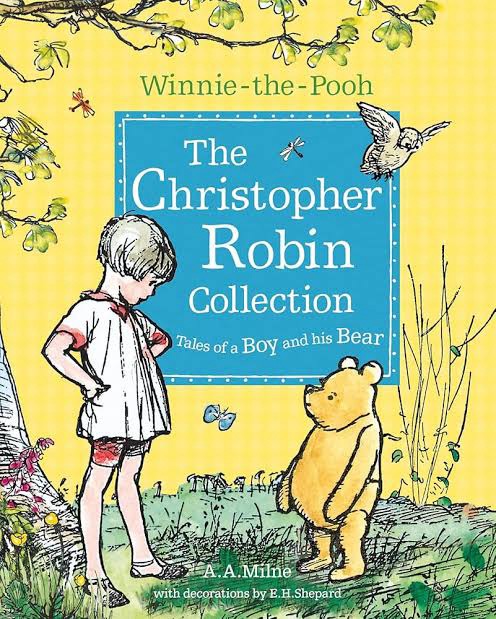
For Christopher Robin, the very essence of his life was sacrificed on the altar of his father’s literary creations. He became an archetype, an image molded by his father’s tales, a child beloved worldwide yet suffering from the loss of a private self. The Dwadasa Surya manifested as a life where his true personality remained concealed behind the fictionalized “Christopher Robin.”
Guru’s Conjunction: Fame and Its Karmic Price
Guru, posited with Surya, is a significator of wisdom, expansiveness, and fame. While this conjunction grants popularity and a widespread name (as evidenced by Christopher’s global recognition), it also magnifies the house’s significations — in this case, isolation and hidden sorrow.
Christopher’s fame was not self-earned but was a direct consequence of his father’s creativity. Guru, representing the father’s blessings, simultaneously tied him to a destiny of public scrutiny and personal confinement. The Guru-Surya yoga in the 12th indicates a karma phala where the native’s image becomes larger than life, overshadowing the authentic self.
Chandra and Mangal in the Tritiya Bhava: Early Torments
Christopher Robin’s Chandra (Moon) and Mangal (Mars) were conjoined in the Tritiya Bhava (3rd house), the bhava of siblings, courage, communication, and early schooling. In Vrischika Rashi (Scorpio), this union is volatile, generating inner turmoil and external conflict.
The Chandra-Mangal yoga denotes high mental agitation and intense emotions. For Christopher, this manifested as bullying and persecution during his school years. The aggression of Mangal combined with Chandra’s vulnerability made him a target. His inability to retaliate or protect himself is further tied to the vulnerable Surya in the 12th, rendering him passive and prone to victimhood.
Shukra and Shani in Dwadasa Bhava: The Pain of Relationships
Both Shukra (Venus) and Shani (Saturn) reside in Christopher’s Dwadasa Bhava, compounding the theme of sacrifice. Shukra signifies relationships, pleasures, and the arts. Shani signifies suffering, delay, and karmic debts.
This union suggests:
Suppression of personal desires: Relationships are marred by restrictions and sacrifice. Financial constraints: As Shukra governs wealth and comforts, its placement in the 12th indicates expenditures and financial strain. Emotional coldness: Shani’s influence dulls the warmth of Shukra, leading to difficulties in intimacy and trust.
Christopher’s resentment towards his parents and his struggle with his imposed public identity are expressions of this planetary alignment. His eventual marriage and life choices reflect the continued presence of sacrifice in personal relationships.
Rahu and Ketu Axis: Fame Versus Inner Dissatisfaction
Although Western astrologers discuss Pluto and other outer planets, in Jyotisha, the karmic axis of Rahu and Ketu offers profound insights. Christopher Robin’s Rahu in Simha (Leo) and Ketu in Kumbha (Aquarius) indicate a destiny tied to fame and public image (Simha) while simultaneously yearning for detachment and anonymity (Kumbha).
Rahu in Simha compelled him towards the spotlight, giving moments of pride and the intoxication of fame. Ketu in Kumbha triggered withdrawal, a wish to escape public identity and seek solace in solitude.
Hence, he oscillated between craving recognition and resenting the glare of public attention.
Sun-Moon Tension: Parental Karma
The Surya-Chandra conflict in Christopher’s kundali suggests parental discord and emotional disconnection. His father, though creative, remained distant, and his mother pursued her own social life and later emigrated, leaving Christopher emotionally adrift.
This planetary tension underscores the karmic baggage of strained family relationships, leaving him yearning for validation yet never fully receiving it from his parents.
Financial Karma: Dhana Bhava Afflictions
The Dhana Bhava (2nd house) and its lord’s placement indicate wealth. For Christopher, financial struggles were consistent. Despite being the son of a celebrated author, he faced economic hardship, symbolized by multiple grahas in the 12th house draining his financial resources.
Later in life, forced by circumstances, he accepted financial help linked to the royalties of the very stories that haunted him. This paradox — depending on what he resented — is classic Dwadasa Bhava karma, where one’s losses and gains are intertwined.
The Healing Path: Moksha and Seva
Christopher’s eventual life took him toward bookselling, a quieter profession. He married, found solace in family, and somewhat reconciled with his past. This is an important lesson of the Dwadasa Bhava:
The native must seek inner moksha, not just outer recognition. Creative expression, solitary pursuits, and spiritual practices bring relief. Acceptance of one’s destiny leads to peace.
His work in literature, even in selling books, fulfilled the higher karmic mandate of his planetary placements.
The Dwadasa Bhava’s Dual Edges
In Jyotisha, the Dwadasa Bhava is both a prison and a portal. It can bind a person in secrecy, sorrow, and sacrifice — or it can liberate the soul toward higher consciousness and moksha.
Christopher Robin Milne was a vivid example of this duality. The child who was adored worldwide bore the invisible chains of his own identity crisis. Yet even within his trials, the cosmic design offered avenues for healing, creativity, and peace.
His life teaches us that no placement in the kundali is merely a curse. Instead, it is an invitation from the cosmos to transform our karma into a path of inner light. Even for one who dwells behind the veil of the 12th house, freedom and joy remain possible through viveka (discernment) and spiritual evolution.

 Invest In Yourself First!!
A profound Jyotishic analysis indeed Nidhi ! 🤝 Christopher Robin Milne’s life reflects the karmic paradox of the 12th house—worldwide fame yet personal exile, adoration shadowed by isolation. His story reminds us that even the brightest stars in the public eye may carry hidden sorrows, and that true liberation lies not in escaping one’s destiny, but in embracing its deeper lessons with wisdom and grace. The 12th house, though daunting, ultimately guides the soul toward moksha—if one learns to see beyond its veils.
LikeLike
Nice analysis
LikeLike